Wings Snob Wings Snob Nashville hot chicken, mild to Reaper
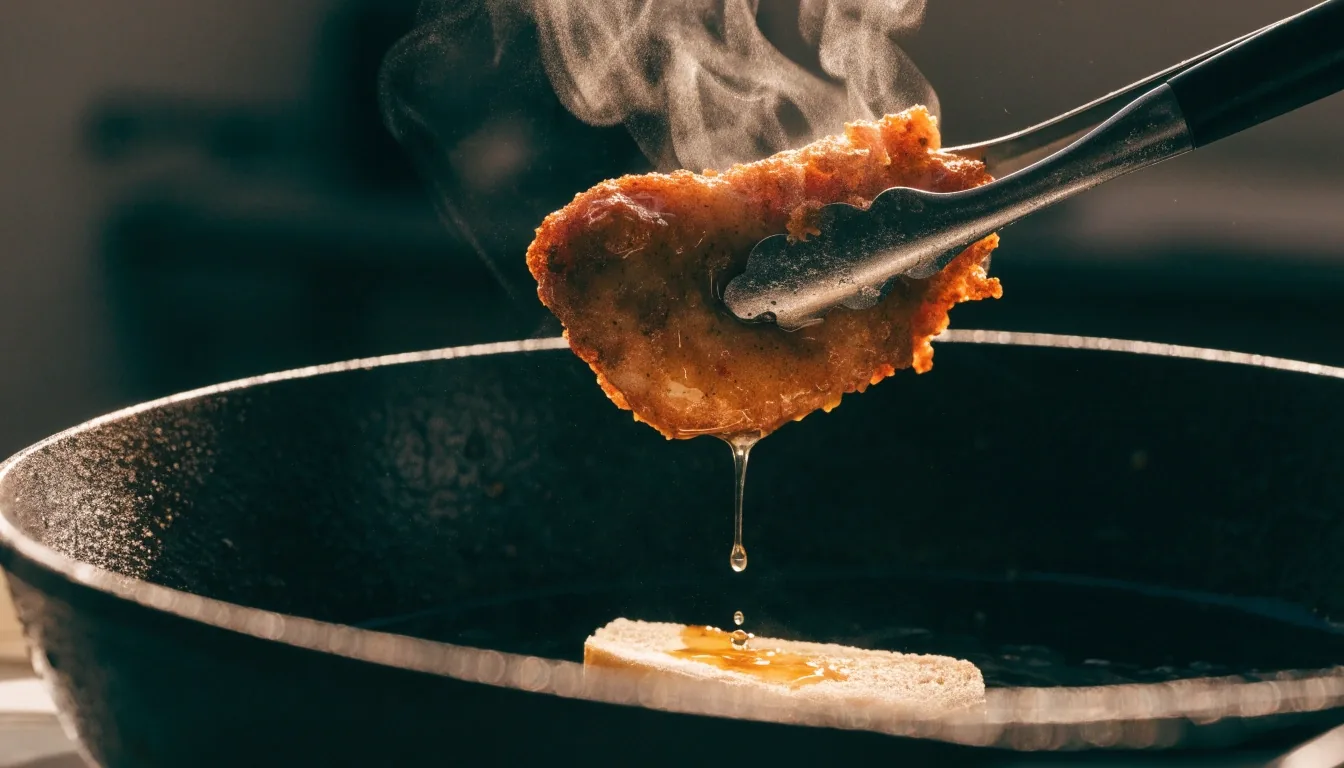
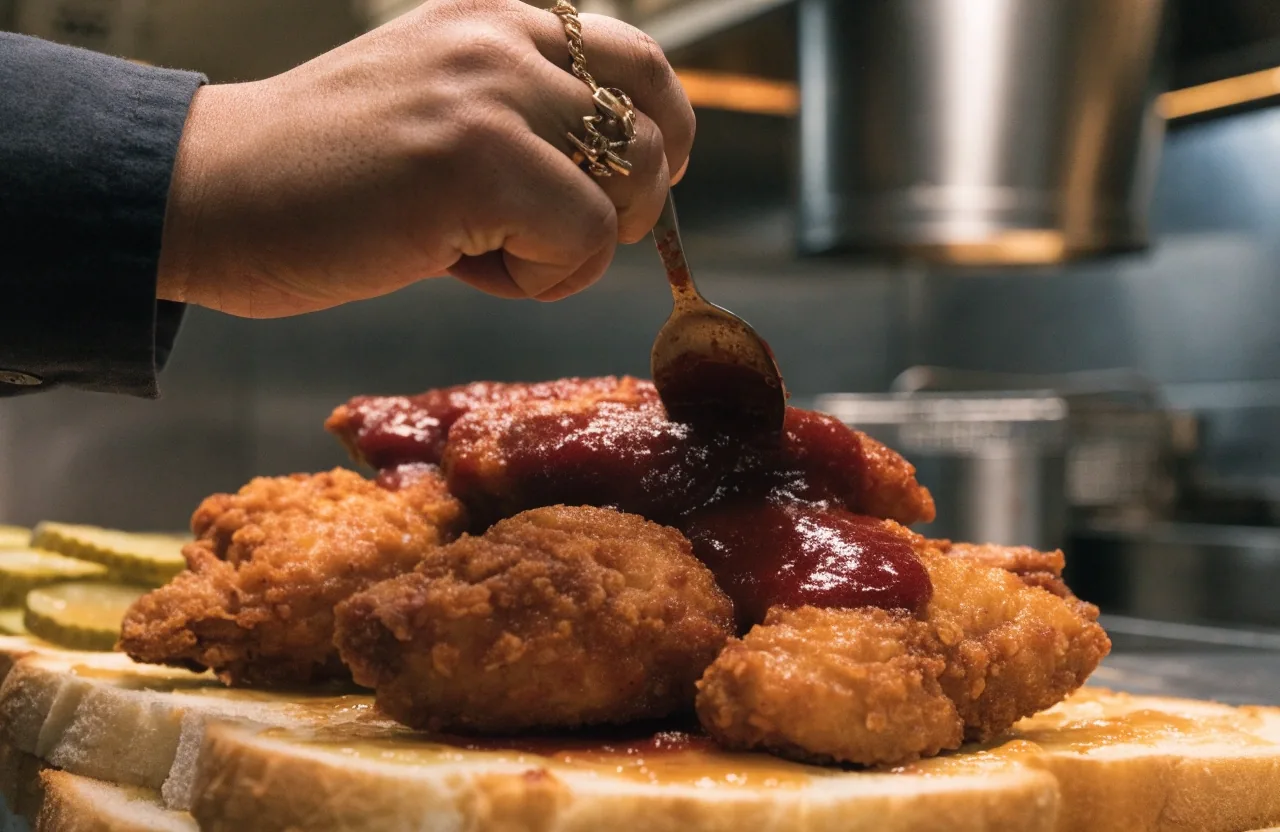
A golden fried chicken tender lifted from the skillet, spiced oil dripping onto white bread

From the course kitchen

Recipes and Techniques From the Course

Sample lessons pulled from the Wings Snob curriculum, written the way they are taught in class. Each one shows how the coating, the spice paste, and the plate work together — so you can judge the teaching before you enroll.

A recipe tells you what to cook. A technique tells you why the crust holds, why the sauce clings, and why the plate still reads as Nashville hot chicken an hour later.

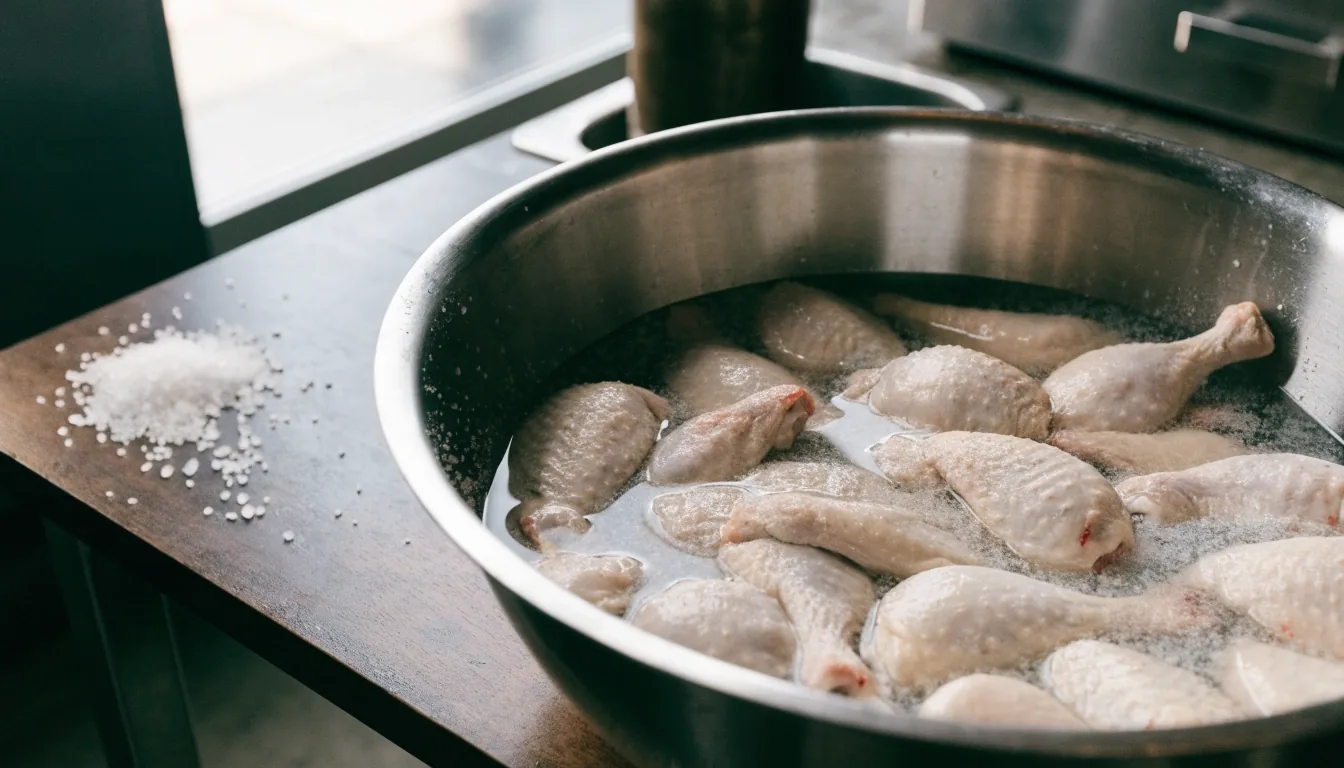
Raw chicken tenders and wings resting in a clear salt brine in a stainless steel bowl

The base brine

A simple brine keeps chicken juicy under a heavy, spicy coating. Salt, a little sugar, and enough water to cover the pieces is the foundation. Tenders sit in it for a shorter time than wings because they are thinner — leave them too long and the meat turns spongy instead of tender.

The technique lesson covers timing per cut, why over-brining changes the texture, and how to dry the surface before dredging so the coating actually adheres. That last step is the one most home cooks skip, and it is the reason a crust slides off in the oil.

What the lesson covers

  • —Brine time for tenders, wings, and bone-in cuts
  • —How salt and sugar ratios change the bite
  • —Drying and resting before the dredge
  • —What spongy meat looks and feels like, and how to avoid it

The two-stage dredge

Crisp crust comes from a dredge that sticks and a fry that does not drop in temperature. The course uses a two-stage approach: a wet dip, then a seasoned dry mix, with a short rest in between. That rest lets the coating hydrate slightly so it does not blow off in the oil.

It is a small step that makes a large difference in how the finished crust looks and holds. The lesson also covers what to do when your oil temperature dips mid-batch, which is the most common reason a first attempt comes out pale and greasy.

Timing, oil temperature, and the rest between stages
Blooming the spice paste

Nashville hot chicken gets its character from a paste applied after frying. The technique is to warm the oil, add the ground spices, and let them bloom for a short time without burning. Then you add brown sugar, salt, and vinegar and taste.

Blooming is where the flavor deepens. Skip it and the paste tastes raw and dusty, which is a common reason home versions fall short of restaurant plates. The module walks through heat levels from mild to Reaper, so you can dial the same paste up or down without rebuilding it.

Bloom time, spice ratios, and building heat levels

Three sample recipes from the modules

These are the versions students cook first. They use the same brine, dredge, and paste you just read through — the difference is in the cut and the assembly.

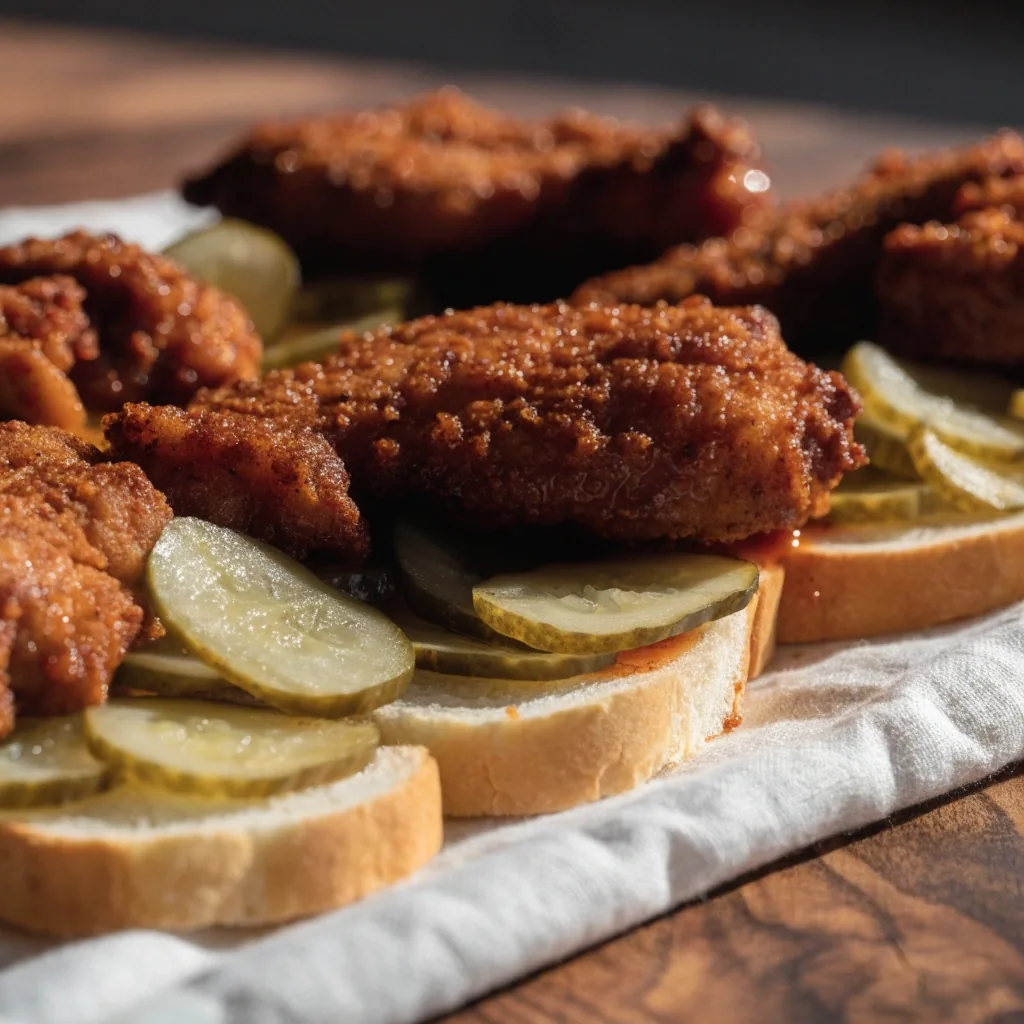
Classic hot tenders on white bread with pickles

Sample recipe

Classic hot tenders

Brine the tenders, dredge them, and fry until the crust is deep gold and the internal temperature is right. Let them drain briefly, then spoon the spiced paste over each piece so it coats evenly. Serve on white bread with pickles.

The lesson walks through thickness, oil temperature, and pull timing, because tenders overcook faster than any other cut in the course.

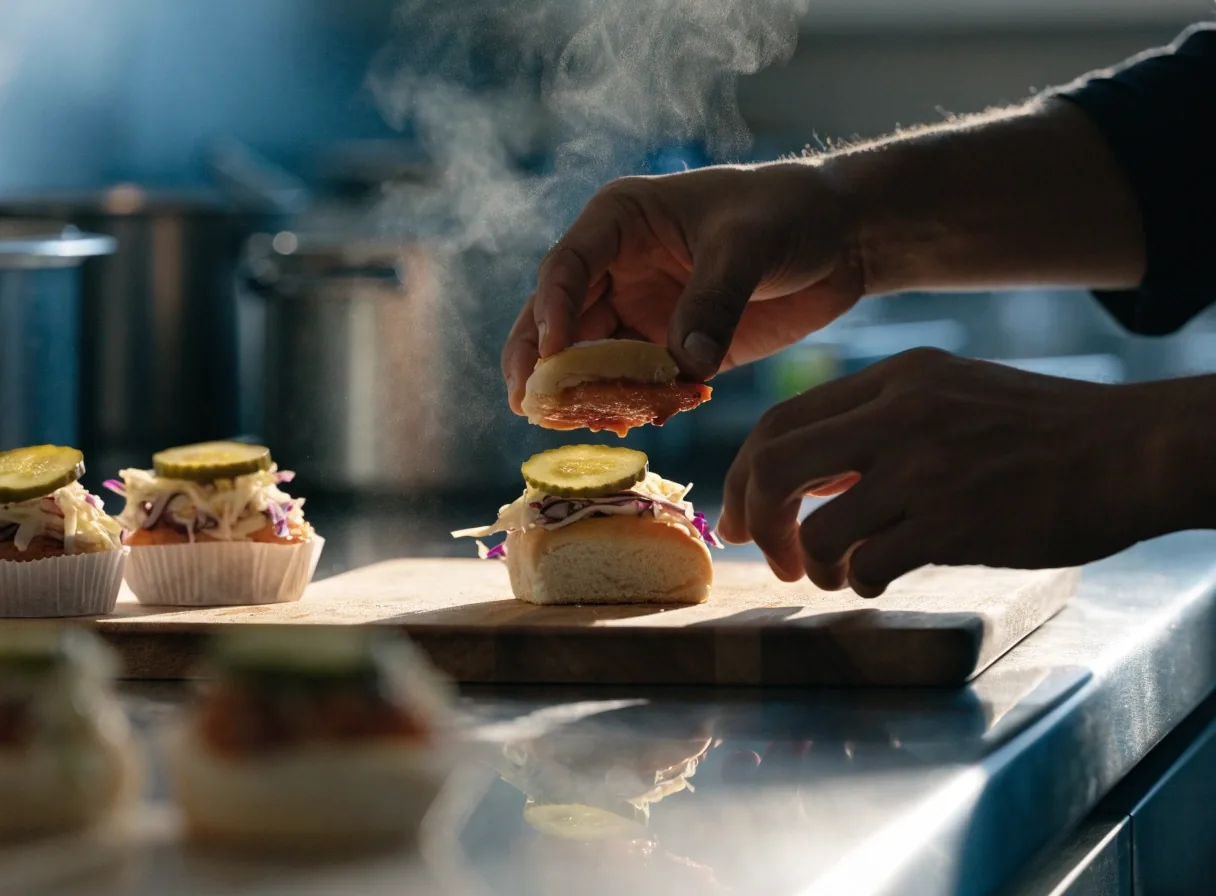
Hot chicken sliders on soft buns with slaw and pickles

Sample recipe

Hot chicken sliders

Use a smaller piece of chicken, sauce it at your chosen heat level, and build on a soft bun with a quick slaw and a pickle slice. The technique here is about restraint: too much sauce and the bun collapses.

The lesson covers piece size, sauce amount, and how to assemble so the slider holds together long enough to eat.

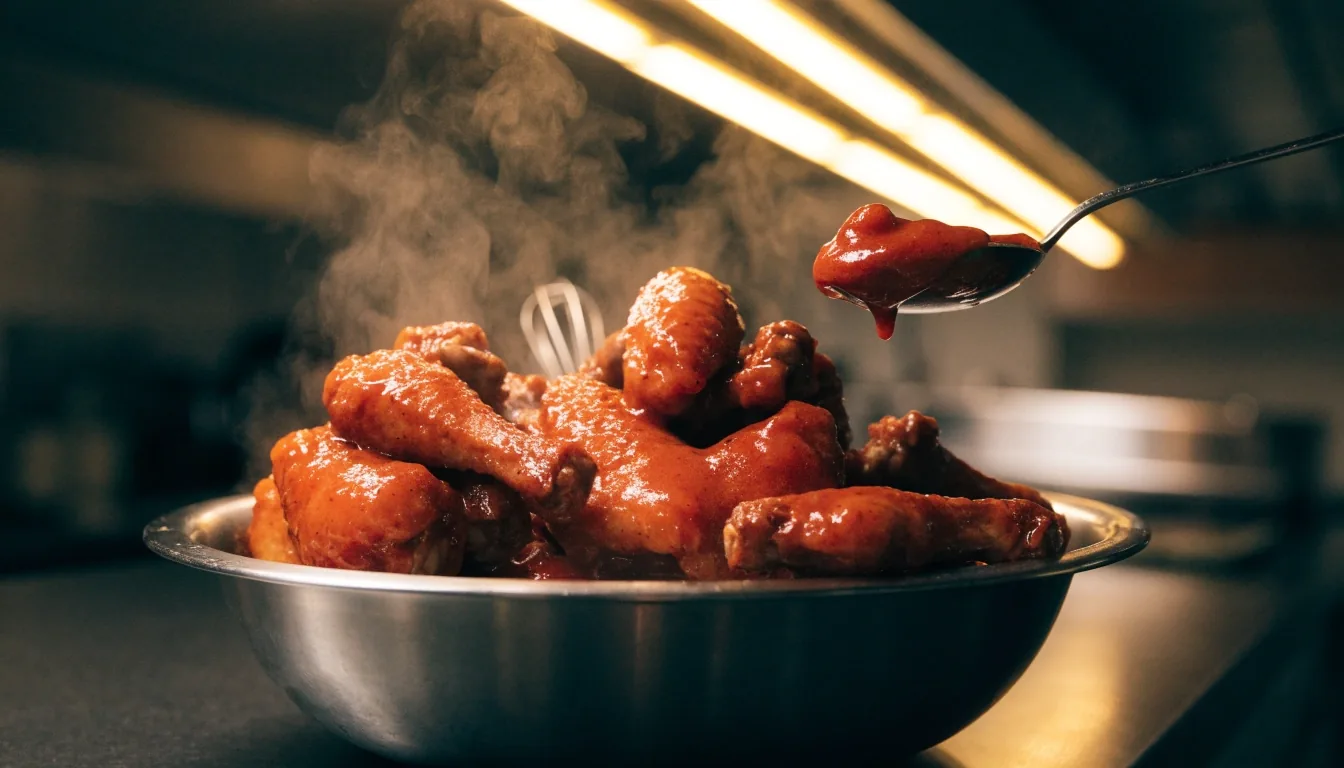
Glazed hot chicken wings tossed in a red-orange glaze

Sample recipe

Glazed hot wings

Dry the wings well, fry them so the skin crisps, then toss in a glaze built at your heat level. The glaze goes on at the end because it softens the crust over time. The lesson covers splitting, rendering, and the timing between fry and toss. Wings are forgiving on heat and unforgiving on moisture, which is the main thing the module drills.

Sauce technique: cling without sog

A good sauce clings to the chicken without turning the crust soft. That comes from building the sauce thick enough to coat and applying it close to serving. The course covers a spiced oil coating, a creamier slider sauce, and a wing glaze, plus notes on which one belongs on which format.

Applying the right sauce at the right moment is most of the difference between a crisp plate and a soggy one. If you sauce too early, the crust drinks the liquid and turns soft before anyone takes a bite — so the module times each step against the moment you actually serve.

A finished Nashville hot chicken plate on white bread with pickles

Plating with white bread and pickles

The final technique is assembly. White bread goes under the chicken to catch the spiced oil, and pickles go alongside for acid and crunch. The lesson covers how much sauce to spoon over each piece and how to plate for a group without the bread going to mush.

It is a small set of moves, but it is what makes the plate read as Nashville hot chicken rather than spicy fried chicken. Get the bread, pickles, and sauce order right and the plate holds up even when you are serving six people at once.

Questions students ask before they start

Do I need a deep fryer, or can I use a pot?

+

A heavy pot with a thermometer works. The module teaches you to hold oil temperature in a pot, which is the harder skill but the more useful one. If you do own a fryer, the same timings apply with a small adjustment for recovery time between batches.

How hot is Reaper level, and can I dial it back?

+

The heat ladder runs from mild to Reaper, and every recipe is built so you can set your own level by adjusting the paste, not by rebuilding the dish. Start lower than you think you want, taste the paste before it goes on the chicken, and add from there.

Why does my crust fall off in the oil?

+

Usually one of two things: the surface was wet when it hit the dredge, or the coating did not get its short rest before frying. The two-stage dredge lesson covers both, plus how to tell when the oil is hot enough before the chicken goes in.

Can I make the sauces ahead of time?

+

The spiced oil paste and the wing glaze both hold well if you keep them covered and warm them gently before serving. The slider sauce is best made the same day. The course notes which ones survive a night in the fridge and which ones separate.

Keep going

If these techniques read the way you cook, the full course goes deeper on each one.

Wings Snob · 2801 W Sunset Blvd, Los Angeles, CA 90026 · +1-323-555-0947 · Monday–Friday, 9:00 AM – 6:00 PM